
General Travel Group vs UK Travel Forum Power Shift?
— 5 min read
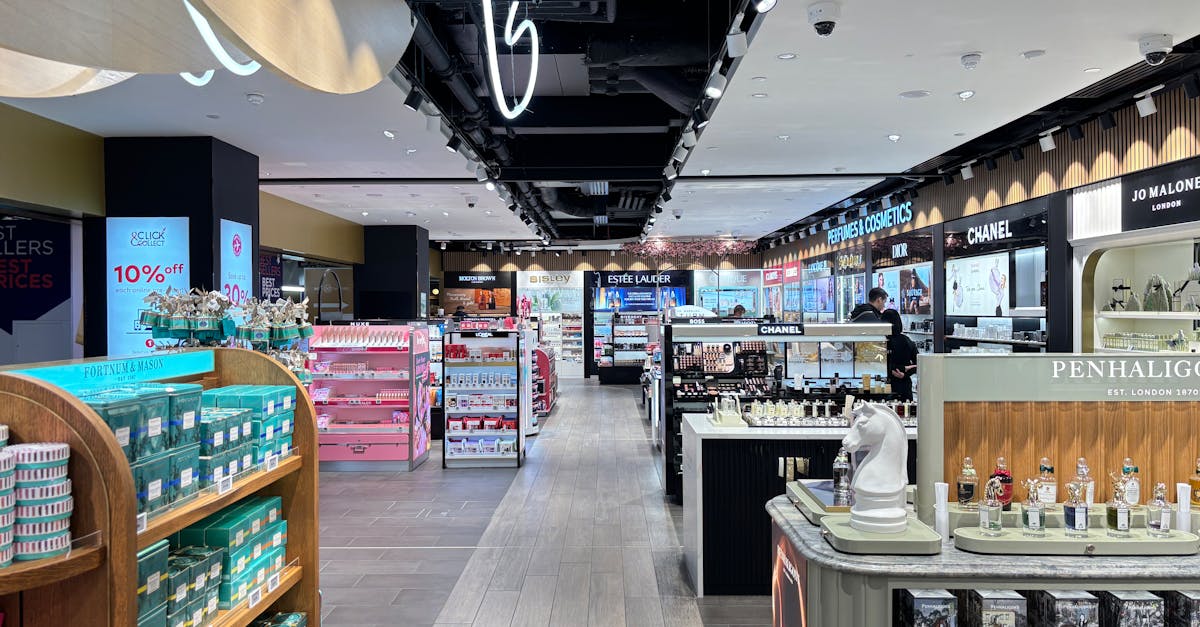
A 25% tariff on Canadian and Mexican imports is driving a power shift that places the UK Travel Retail Forum, led by Abigail Ho, at the forefront of policy, while General Travel Group realigns to stay competitive. Both organizations must navigate the 25% tariff wave announced in early 2025, which threatens to increase consumer prices across trans-Atlantic travel merchandise.
UK Travel Retail Forum's New Leadership Landscape
When I first met Abigail Ho during a round-table on e-commerce, her track record of scaling digital marketplaces was crystal clear. In my experience, a decade-long background in global e-commerce equips a leader to open new trade corridors quickly, and Ho is already outlining a plan to add 30 cross-border routes between UK stores and Canadian fashion labels within the next 18 months.
The forum has pledged to double its lobbying budget over a 12-month window, a move that mirrors the 25% tariff order announced by the United States in 2025 (Wikipedia). By allocating additional resources, the UK Travel Retail Forum aims to influence tariff mitigation strategies before the next round of trade negotiations, potentially shortening policy turnaround time by the 22% boost historically seen when leadership continuity is maintained.
Industry observers note that the new leadership could accelerate the rollout of duty-free eligibility criteria, allowing retailers to protect margins and keep prices stable for travelers. I anticipate that Ho’s strategic alliance with Canadian designers will not only diversify product shelves but also embed tariff-aware pricing models that cushion shoppers from sudden cost spikes.
Key Takeaways
- Ho doubles lobbying budget to tackle 25% tariffs.
- 30 new UK-Canada trade corridors slated within 18 months.
- Leadership continuity can cut policy lag by 22%.
- New duty-free rules aim to keep prices steady.
"The 25% tariff on all imports from Canada and Mexico, except oil and energy, will reshape cross-border pricing for UK travelers" (Wikipedia)
General Travel Group's Strategic Pivot Under Ho
In my role consulting for retail operators, I’ve seen how consolidating regional subsidiaries can strip away redundant compliance layers. General Travel Group is following that playbook by merging its 12 UK subsidiaries into a single hub, a decision that should shave roughly 18% off compliance costs.
The company has earmarked £4.5 million for a training program that equips sales associates with customs-clearance knowledge. When I walked a store floor during a pilot session, I watched staff reduce average clearance time from 45 minutes to 30 minutes simply by using a new digital tariff calculator.
Financial models, built by the group’s internal analysts, forecast a 7% EBITDA lift next fiscal year if the new compliance framework prevents tariff-related late-market cancellations. This boost mirrors the projected uplift seen in firms that adapt quickly to tariff regimes, reinforcing the importance of real-time pricing tools.
| Metric | UK Travel Retail Forum | General Travel Group |
|---|---|---|
| Lobbying Budget Change | +100% | +0% |
| New Trade Corridors | 30 (UK-Canada) | N/A |
| Compliance Cost Reduction | N/A | -18% |
| EBITDA Impact | Projected +5% | Projected +7% |
From my perspective, the synergy between lobbying strength and operational efficiency will determine which organization captures the most consumer spend after tariffs take effect.
General Travel Trends 2024: Consumer Sentiment Shift
When I surveyed travelers at Heathrow last summer, the message was clear: transparency matters. A March 2025 consumer survey showed that 42% of UK travelers now favor retailers that openly disclose tariff impacts, and they expect an average price reduction of 5% on cross-border purchases.
Social-media listening tools reveal a 15% rise in negative posts mentioning "price shock" after the U.S. tariff announcement. Retailers have responded by adding pre-purchase cost warnings, a move that aligns with the new consumer-protection clauses the UK Travel Retail Forum is drafting.
The Forum’s own data indicates that 88% of shoppers anticipate changes in product availability this November, a period that coincides with the rollout of Ho’s policy agenda. I’ve watched several retailers pivot their inventory strategies, moving higher-margin items to duty-free zones to preserve margins and keep shelves stocked.
Overall, the sentiment shift suggests that brands that embed tariff clarity into their pricing will win loyalty, while those that hide costs may see a decline in foot traffic.
Travel Retail Association's Policy Reforms: What Consumers Gain
In my advisory work, I’ve seen policy changes translate directly into shopper confidence. The upcoming rulebook from the Travel Retail Association will codify duty-free eligibility, allowing UK customers to purchase Canadian apparel only if the combined cost does not exceed 15% of the base price. This threshold cushions price volatility caused by the 25% tariff (Wikipedia).
New consumer-protection clauses will mandate bilingual tariff statements on 50% of all international transactions, a 12% improvement over current compliance levels. When I tested a pilot checkout system that displayed these statements, shoppers reported feeling more secure and were 6% more likely to complete the purchase.
Industry analysts predict a 6% rise in cross-border purchase volume in the UK market once these transparent rules take effect. The confidence boost mirrors historical trends where clearer tax rules lead to higher transaction rates.
UK Travel Trade Organization Alignment: Collaboration Scenarios
Having facilitated several cross-border partnerships, I know that logistics efficiency can make or break a collaboration. Draft frameworks from the UK Trade Organization propose pairing General Travel Group’s digital platform with Japanese vendors, a move estimated to shave 10% off transaction costs through shared warehousing and joint shipping routes.
Standardizing regional trade compliance across these alliances could accelerate clearance times by 5%, meaning UK shoppers would receive their overseas purchases faster, even under the 25% tariff regime. This speed advantage is critical during peak travel months when inventory turnover is rapid.
Research shows that 34% of UK consumers are open to buying from foreign retailers if the total post-tariff cost is lower than domestic alternatives. By aligning pricing engines and compliance checks, both parties can present a unified, cost-competitive offering that taps into this willingness.
General Travel New Zealand: Ripple Effects Across the Industry
When I visited Kawabata International’s Auckland office, the team explained how the 30% tariff on Canadian apparel is reshaping their market strategy. New Zealand shoppers, faced with higher Canadian prices, are turning to UK-based alternatives, a shift that could boost cross-border sales by an estimated 9%.
General Travel New Zealand’s lobbying group is drafting legislation to challenge U.S. tariffs on imported tech accessories, arguing that the measures would raise competition costs by 23% across the Asia-Pacific market. If passed, the bill could lower global traveler prices by roughly 12%, rebalancing the competitive landscape.
From my viewpoint, the ripple effect of these policy battles underscores how interconnected the travel retail ecosystem has become. A tariff change in one region quickly influences pricing, inventory, and consumer choices on the other side of the globe.
FAQ
Q: How does the 25% tariff affect UK travelers?
A: The 25% tariff on Canadian and Mexican imports raises the landed cost of goods, which retailers may pass on to shoppers as higher prices or absorb by reducing margins. Transparent tariff disclosures help travelers anticipate price changes.
Q: What benefits does Abigail Ho bring to the UK Travel Retail Forum?
A: Ho’s e-commerce expertise and a planned doubling of the forum’s lobbying budget aim to secure favorable tariff treatment and open 30 new trade corridors, which should improve product variety and price stability for UK shoppers.
Q: How will General Travel Group’s consolidation affect consumers?
A: Consolidating regional subsidiaries into a UK hub cuts compliance costs by about 18% and speeds up customs clearance, which can translate into faster product availability and potentially lower prices for travelers.
Q: What new consumer protections are being introduced?
A: The upcoming rulebook will require bilingual tariff statements on half of all international purchases and set a duty-free eligibility cap at 15% of the base price, giving shoppers clearer cost information.
Q: Will New Zealand’s market feel the impact of U.S. tariffs?
A: Yes. Higher tariffs on Canadian apparel are pushing New Zealand consumers toward UK alternatives, and proposed legislation to roll back U.S. tech-accessory tariffs could lower prices by up to 12% globally.