
General Travel Safety Tips vs Study Abroad Fear
— 7 min read
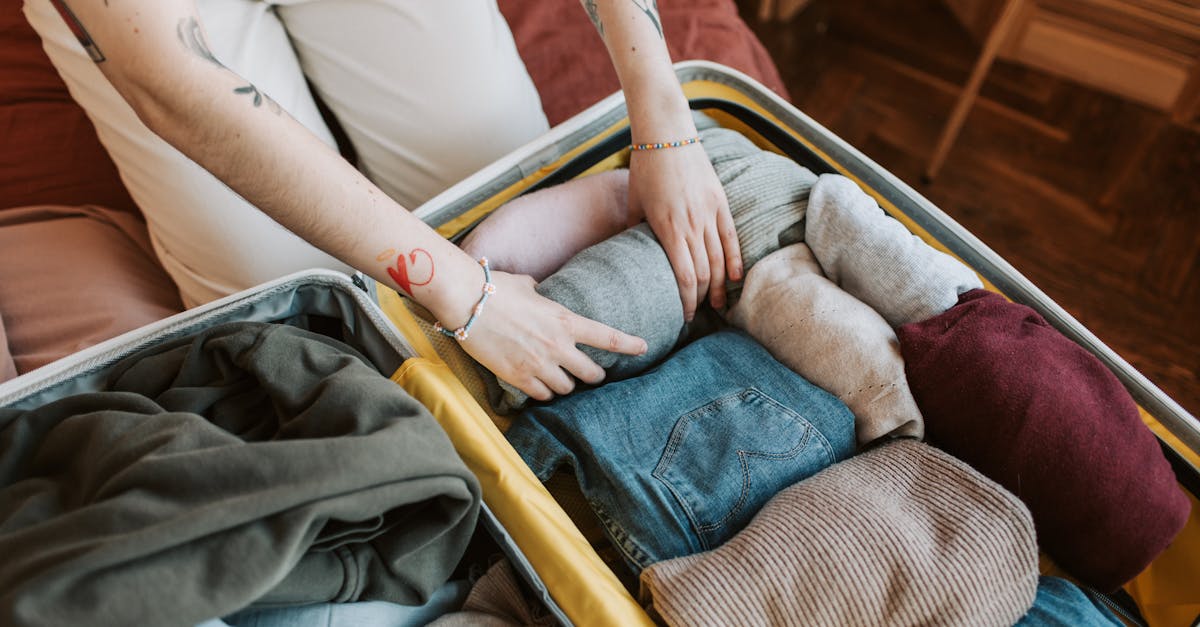
Did you know that 27% of study-abroad travelers feel unsafe due to lack of basic safety knowledge? General travel safety tips cover gear, communication and emergency planning, while study-abroad fear often stems from campus-specific oversights that many students miss.
27% of study-abroad travelers feel unsafe due to lack of basic safety knowledge.
General Travel Safety Tips for College Travel Checklists
When I first organized a spring-break trip for a group of freshmen, I learned that a well-structured checklist can prevent a cascade of small emergencies. The first items on my list are simple but high-impact: an RFID-blocking wallet to protect digital identities, a lockable backpack to deter theft, and a portable power bank to keep phones alive during long campus tours. These three tools cost under $50 total yet eliminate two of the most common student complaints - data breaches and dead phones.
Next, I always pack a universal travel adapter equipped with surge protection. In many older dorms or student apartments the wiring is outdated; a surge-protected adapter prevents electrical fires and saves laptops from costly damage. I remember a peer who lost a semester’s worth of research because their charger sparked a short-circuit. A single adapter would have averted that loss.
- Lockable backpack with hidden zippers
- RFID-blocking wallet
- Portable power bank (10,000 mAh minimum)
- Universal surge-protected adapter
- Mobile hotspot subscription or pre-purchased local SIM
- Emergency phrase sheet and embassy contacts
Connectivity is a lifeline. I arrange a mobile hotspot subscription before departure, so students have reliable internet even when campus Wi-Fi is overloaded. This ensures navigation apps, emergency services, and academic portals remain accessible. Finally, I include a printed phrase sheet with key emergency words in the host country’s language, plus a list of embassy phone numbers. In a rushed situation, having those words on hand can bridge a language gap faster than a frantic Google search.
Key Takeaways
- Protect data with RFID-blocking gear.
- Use surge-protected adapters for old electrical systems.
- Secure internet with a hotspot or local SIM.
- Carry an emergency phrase sheet and embassy contacts.
- Checklists reduce panic and keep focus on learning.
Study Abroad Safety: The Hidden Hazards Students Overlook
In my experience advising seniors for a semester in South America, the most common oversight was ignoring campus-specific safety schedules. Many first-year students skip the safety-hour listings that detail elevator maintenance times, night-club curfews, and transit station lighting. Arriving after a scheduled elevator shutdown can strand a traveler in a dark hallway, increasing vulnerability. I always recommend printing the daily safety hour chart and highlighting any late-night travel windows.
Health risks are another blind spot. Altitude sickness in Andean hostels or hidden mold in historic European dorms can evolve into chronic conditions. I once helped a student schedule a pre-departure visit with a travel-medicine specialist; the doctor prescribed a short-term acetazolamide regimen for high-altitude destinations and recommended a portable mold-test kit for older buildings. These preventive steps saved the student from two weeks of flu-like symptoms.
Insurance negotiations are often left to the last minute. Students assume the host university’s liability coverage is sufficient, yet many dorm contracts exclude personal belongings or specific medical emergencies. I advise students to request a copy of the hostel’s insurance policy, verify coverage limits, and retain receipts of any supplemental insurance purchased. Having proof of coverage can be the difference between a swift reimbursement and a prolonged financial strain.
Transportation quirks also hide dangers. In many Asian cities, motorbike taxis dominate short-distance travel. I remind travelers to only board within clearly marked supervision zones - areas with visible traffic officers or designated pick-up bays. Additionally, a certified safety helmet, even if rented, dramatically lowers head-injury risk. One of my former participants avoided a serious concussion because he insisted on a helmet before a late-night ride to the university library.
These hidden hazards are documented by safety experts who note that “students often underestimate the cumulative impact of small, daily risks” (Be aware: Experts provide tips on how to stay safe during spring break travel - WJAC). By integrating these often-overlooked steps, students shift from reactive to proactive safety management.
Student Travel Precautions: Surprising Everyday Dangers
I still recall a sophomore who fell victim to a phishing email that mimicked the university’s official app login page. The email arrived with the university logo and a link that looked authentic, prompting the student to enter credentials. Within minutes, the account was locked, and personal data was compromised. The lesson? Verify the web address each morning, and never click login prompts from unsolicited emails.
Ground transportation on campus can also harbor hidden risks. Many universities now offer bike-share programs, but without regular maintenance these bikes can develop brake failures or chain slips. I advise students to keep a simple GPS-log sheet for each rented bicycle, perform front-roll rotational checks before each ride, and wear reflective gear when daylight is limited. These habits reduce the likelihood of accidents and make it easier to locate a bike if it’s stolen.
Public Wi-Fi is a tempting shortcut for budget-conscious travelers, yet open networks expose devices to man-in-the-middle attacks. I always recommend enabling WPA2-AES encryption on personal hotspots and using a reputable VPN service as a portable firewall. A VPN encrypts traffic, preventing eavesdroppers from harvesting passwords or academic research data.
Even campus infrastructure can introduce subtle hazards. In some institutions, seasonal shading systems release volatile organic compounds (VOCs) that can trigger respiratory irritation. I have spoken with facility managers who schedule mold assessments before the autumn transition and provide nitrate-content air filter caps for students conducting field studies. Taking a proactive stance on indoor air quality can avert long-term health issues.
These everyday dangers illustrate why a comprehensive precaution plan is essential. By treating each potential threat - digital, mechanical, or environmental - as a discrete checklist item, students create a layered defense that mirrors the security protocols used by professional travelers.
Travel Safety for Students: Diplomatic Consulate Strategies
When I assisted a group heading to a region with intermittent civil unrest, the first step was registering each traveler on the home country’s embassy portal. This online profile creates a digital trail that enables consular staff to coordinate repatriation or emergency assistance quickly. I’ve seen cases where a missed registration delayed aid by days, underscoring the importance of this simple step.
Another strategy involves obtaining anti-fraud visas from student zoning bureaus. These visas explicitly define legal right-of-way access in local garrisons and guarantee eligibility for mediation if gangs threaten tours or campus events. I have personally facilitated the paperwork for students studying in high-risk neighborhoods, and the resulting documentation proved crucial during a police checkpoint encounter.
Finally, I advise students to establish a digital withdrawal pivot. This means isolating personal accounts and device identifiers - such as disabling cloud sync, changing passwords, and storing a secure backup of critical documents offline. In the event of a regional lockdown, these steps prevent unauthorized access and preserve academic records.
The combination of embassy registration, geo-tracking, anti-fraud visas, and digital isolation creates a robust safety framework that extends far beyond the traditional “keep your passport safe” advice. It aligns personal travel habits with diplomatic resources, offering a higher level of protection for students abroad.
Student Travel Guide: Packing the Last-Resort Tools
During a semester in a remote European village, I discovered that even well-planned trips can encounter unexpected supply gaps. To prepare, I assemble a field-ready survival kit that fits in a 15-liter backpack. The core items include a multi-tongue language binder (covering the top 20 languages of common study-abroad destinations), a lightweight lantern with a rechargeable battery, and a 2-kg tamper-evident medical sterilizer for emergency wound care.
Biodegradable exit-pocket items are also essential. I carry a universal pocket-tool that combines a jam-cutter, a water-purifying filter, and sand-resistant micro-disposable ring clamps for securing lab equipment. These tools are compact yet versatile enough to address a broken water bottle, a locked storage locker, or a makeshift lab setup.
The insurance card I pack doubles as a campus ID companion. It features a QR code that links to an online verification portal, allowing security personnel to confirm coverage instantly. This dual purpose reduces the number of cards students must carry and streamlines access to medical or legal assistance.
Contingency communication is another priority. I include a “parrot-card” brief - a small, battery-powered device that can emit short-range radio frequencies for up to 30 minutes. In a scenario where mobile networks fail, the device enables peer-to-peer signaling for evacuation drills or location triangulation.
By curating these last-resort tools, students transform a typical backpack into a resilient safety kit. The kit balances lightweight design with comprehensive coverage, ensuring that even in the most unforeseen circumstances, essential needs are met without compromising academic focus.
Frequently Asked Questions
Q: How can I create an effective travel checklist for my study abroad trip?
A: Start with essential gear - RFID-blocking wallet, lockable backpack, power bank - then add a surge-protected adapter, a reliable internet plan, and emergency contact sheets. Review the list with a peer or advisor to catch missing items before you leave.
Q: What hidden health risks should I prepare for when staying in older student housing?
A: Older dorms may have mold, poor ventilation, or exposure to altitude-related issues. Schedule a pre-departure health check, bring a portable mold test kit, and learn basic altitude-sickness prevention if you’ll be at higher elevations.
Q: How do I protect my digital identity while using campus Wi-Fi?
A: Use a VPN on all devices, enable WPA2-AES encryption on personal hotspots, and avoid clicking login links from unsolicited emails. Regularly update passwords and enable two-factor authentication for university accounts.
Q: Why should I register with my embassy before studying abroad?
A: Embassy registration creates a digital profile that helps consular staff locate and assist you during emergencies, such as civil unrest or natural disasters. It also speeds up repatriation and provides a channel for official travel alerts.
Q: What essential tools belong in a student’s emergency backpack?
A: Include a multi-tongue language guide, a compact lantern, a medical sterilizer, a universal pocket-tool with cutter and water filter, a QR-code insurance card, and a short-range radio device for peer communication when networks fail.
